


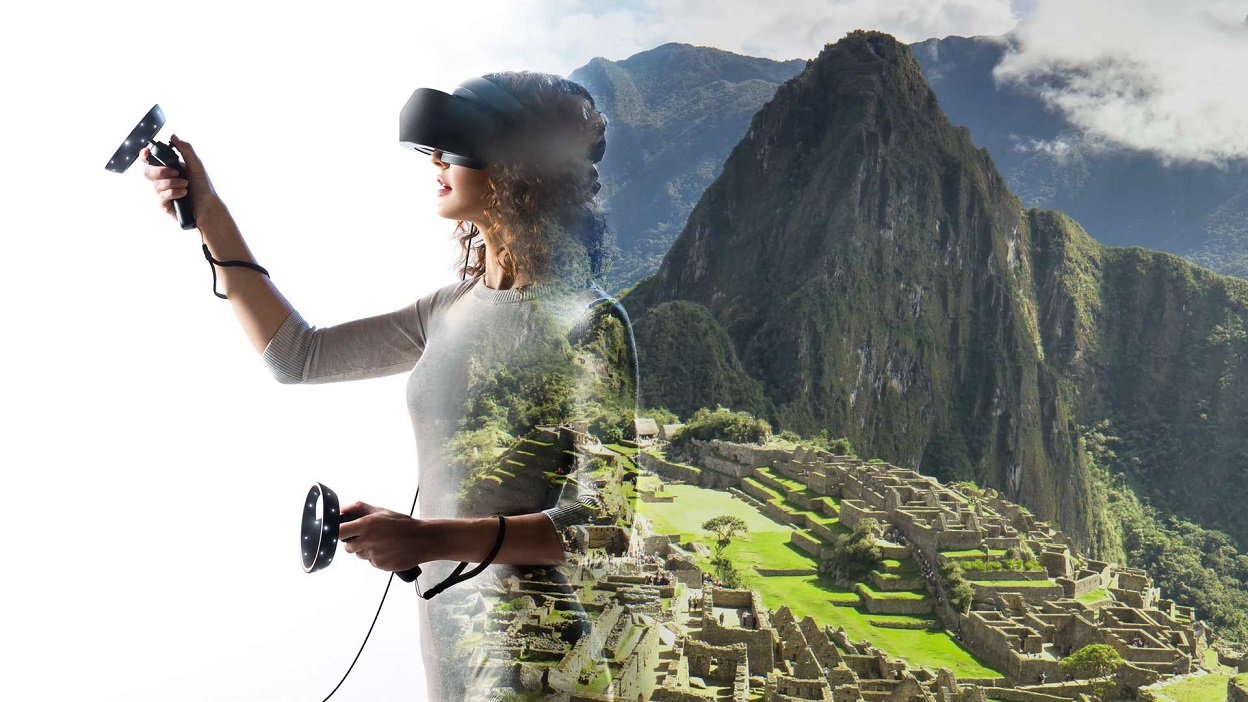
In the digital age, where technology constantly redefines how we live, Virtual Reality Tourism has emerged as a phenomenon. It is creating a new turning point for travel marketing. But the question remains: is it a long-term solution or just a fleeting tech trend?
What is Virtual Reality Tourism?
Virtual Reality Tourism uses VR technology to create immersive travel experiences through vivid 3D visuals, letting users explore destinations remotely. No longer a distant concept from sci-fi movies, this technology now allows people to “travel” to destinations thousands of kilometers away – exploring world wonders, mysterious caves, or strolling down Parisian boulevards – while sitting comfortably at home with just a VR headset, computer, smartphone, headphones, or a motion-enabled chair.
This innovation has opened new opportunities for both consumers and travel businesses to explore services before making purchase decisions.

The Benefits of Virtual Reality Tourism in Marketing
Virtual Reality Tourism is considered an effective marketing tool for several reasons:
- Increased engagement: VR delivers realistic experiences, helping customers remember destinations or brands more vividly than traditional 2D visuals.
- Impression before decision-making: Virtual tours allow customers to “try before they buy,” shortening the decision-making process.
- Global reach: It breaks the limits of geographical boundaries and travel costs.
- Enhanced communication strategies: When integrated with websites, social media, and events, VR elevates marketing campaigns with high viral potential.
Virtual Reality Tourism: A Game – Changer or a Passing Trend?
Despite its rising popularity, Virtual Reality Tourism faces mixed opinions about its long-term sustainability.
Advantages
- Introduces innovative ways to reach customers.
- Reduces costs for organizing traditional travel events and exhibitions.
- Offers effective communication, especially during periods like social distancing.
Disadvantage
- High initial investment for VR technology.
- Risk of reducing real travel interest, as hyper-realistic experiences may leave users feeling like they’ve “already been there.”
- Not suitable for all customer segments (e.g., elderly or those unfamiliar with technology).
As a result, VR Tourism currently stands between being a “trend” and a “strategic long-term solution.” Its future depends on whether businesses can effectively integrate VR into their service ecosystems.
Real-World Applications
In Vietnam
Leading tourism businesses have started investing in 360° virtual tours to showcase destinations at travel fairs or on digital platforms. For instance, Ariyana Convention Centre Da Nang offers a 360° online tour right on its website. Users can explore the conference space, gardens, and beachfront virtually, without being physically present. This provides domestic and international clients with a realistic view of the venue before deciding to rent or partner.
In the world
The Musée d’Orsay in Paris has used VR technology to recreate the iconic 1874 exhibition that marked the birth of the Impressionist movement. Through immersive VR, visitors are transported to 19th – century Paris, experiencing its street scenes in meticulous detail – as if traveling back in time. They can even “meet” famous painters and hear them present their earliest Impressionist works.

The Future of Virtual Reality Tourism
Virtual Reality Tourism is proving to be more than a passing trend – it’s becoming an integral part of modern tourism marketing strategies. While it cannot fully replace real experiences, it serves as a powerful bridge that connects emotions, exploration, and decisions for potential travelers.
So, is it a temporary trend or the golden key? The answer depends on the vision and strategy of travel businesses in the digital era.
To find the answer, companies must proactively seek connection and learning opportunities to stay ahead of new trends, technologies, and solutions. Horecfex Vietnam 2025 – an exhibition and innovation forum in the service and tourism industries – is one such event. It offers businesses a platform to explore and discuss innovations in operations, management, and marketing, from technology solutions to customer experience strategies and modern media trends. It is a space to spark ideas, foster collaboration, and accompany the tourism industry on its digital transformation journey.
—
’ , – !
HorecFex Vietnam is an annual event with a mission to foster innovation, optimize operational management, and improve service quality within Vietnam’s tourism and hospitality sector. It serves as a key opportunity for businesses to connect, collaborate, and explore new strategic directions with advanced technology solution providers.
- Address: Ariyana Convention Centre Danang – 107 Vo Nguyen Giap, Ngu Hanh Son District, Danang.
- Time: Aug 26-27, 2025
- Register for HorecFex 2025, Danang – Vietnam: https://ariyana.dahahi.vn/dang-ky-truc-tuyen-horecfex-at-furama-2025

______o0o______
–
: 107 Vo Nguyen Giap, Ngu Hanh Son District, Danang.
: (+84) 8212 828 385
: support@horecfex.com
#HorecfexVietnam #Horecfex #AriyanaConventionCentre #AriyanaDanang #hospitality #hospitalityindustry #vietnamtourism #danang #vietnamtravel #Innovation #Furama #Furamaresortdanang #Horeca #Hotel #Restaurant #spa #Catering #HospitalityIndustry #HotelManagement #RestaurantInnovation #CateringServices #HospitalityTech #HORECAInnovation #HotelAndRestaurant #FandBIndustry #CulinaryExcellence #HospitalityEvents