


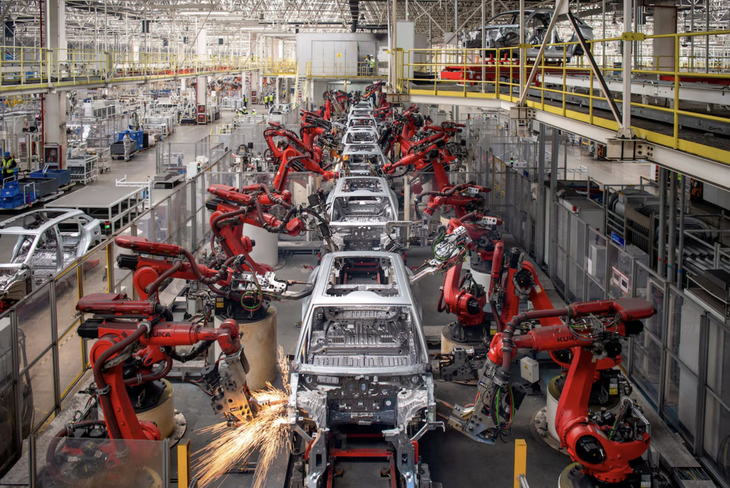
Vietnam Becomes a New Destination for AI Robot Manufacturing
Vietnam is continuing to strengthen its position on the global high-tech map as AMC Robotics, a Nasdaq-listed robotics company, selects Bac Ninh as its long-term manufacturing base in Southeast Asia. This move not only highlights Vietnam’s growing appeal in the global robotics and AI supply chain, but also opens new perspectives for the service, logistics, hotel, restaurant, and tourism sectors.
According to the plan, AMC Robotics has leased a 6,150-square-meter manufacturing facility in Bac Ninh. In the first phase, the company expects to invest approximately USD 3.5 million to build, install equipment, and complete its production lines. The facility will be operated by AMCV Company Limited, AMC Robotics’ subsidiary in Vietnam.
NovaArm And The First Step In Robot Production In Vietnam
The key product in the initial phase will be NovaArm, an AI-powered robotic arm designed for goods sorting in warehouses and industrial automation lines. This technology can help businesses optimize operations, improve accuracy, and reduce reliance on manual labor in repetitive tasks.
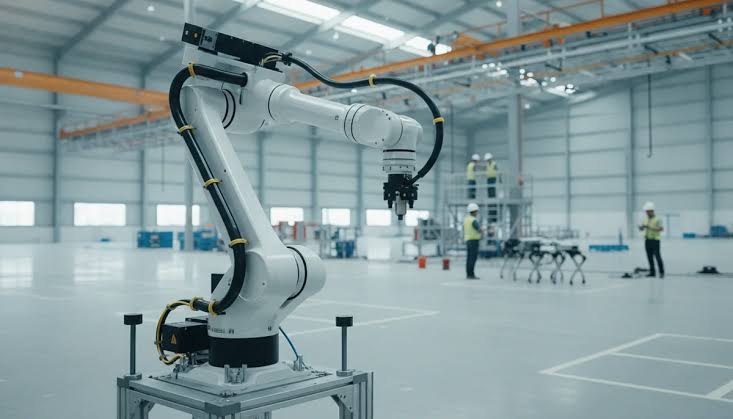
The Bac Ninh facility will be equipped with precision assembly systems, integrated calibration, and automated testing. These capabilities are expected to improve product quality before AMC Robotics begins commercial production of NovaArm in the second half of 2026.
Kyro Robot Dog And The Potential For Expanding AI Applications
One notable point is that the Bac Ninh facility has been designed with scalability from the beginning. After NovaArm production stabilizes, AMC Robotics plans to add a production line for Kyro, a quadruped robot often referred to as a “robot dog.”
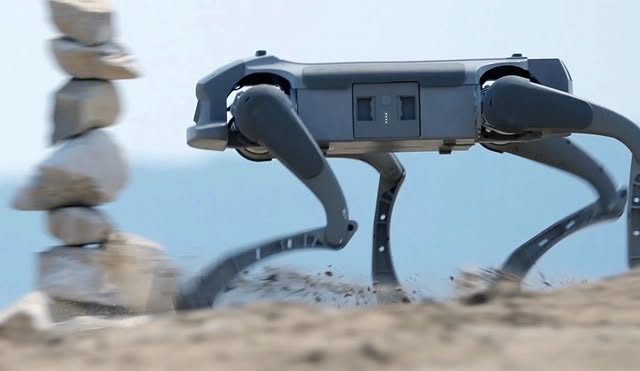
Kyro can be applied in industrial inspection, security, automated monitoring, and work environments that require flexible mobility. This shows that robots are no longer limited to manufacturing. In the near future, they may also support many real-world operational tasks across different industries.
Impacts On The Hospitality And Service Industries
From the perspective of the hospitality industry, this is more than just a technology news story. It reflects a clear trend: automation is moving closer to the daily operations of hotels, resorts, restaurants, convention centers, and the wider service ecosystem.
As robots, AI, and smart systems become more common, businesses are no longer only asking whether technology is necessary. The more important question is how to apply technology effectively.
In hospitality, robots can support many types of work. They can assist with internal delivery, warehouse operations, technical area inspections, security monitoring, logistics optimization, and even guest experience enhancement. When combined with AI, these solutions can help businesses operate faster, more accurately, and more cost-effectively in the long run.
Opportunities For Vietnam In The High-Tech Supply Chain
The decision of an international robotics company to choose Vietnam also shows that the domestic market has many advantages. Vietnam has a growing technical workforce, competitive production costs, and a strategic location in the regional supply chain.
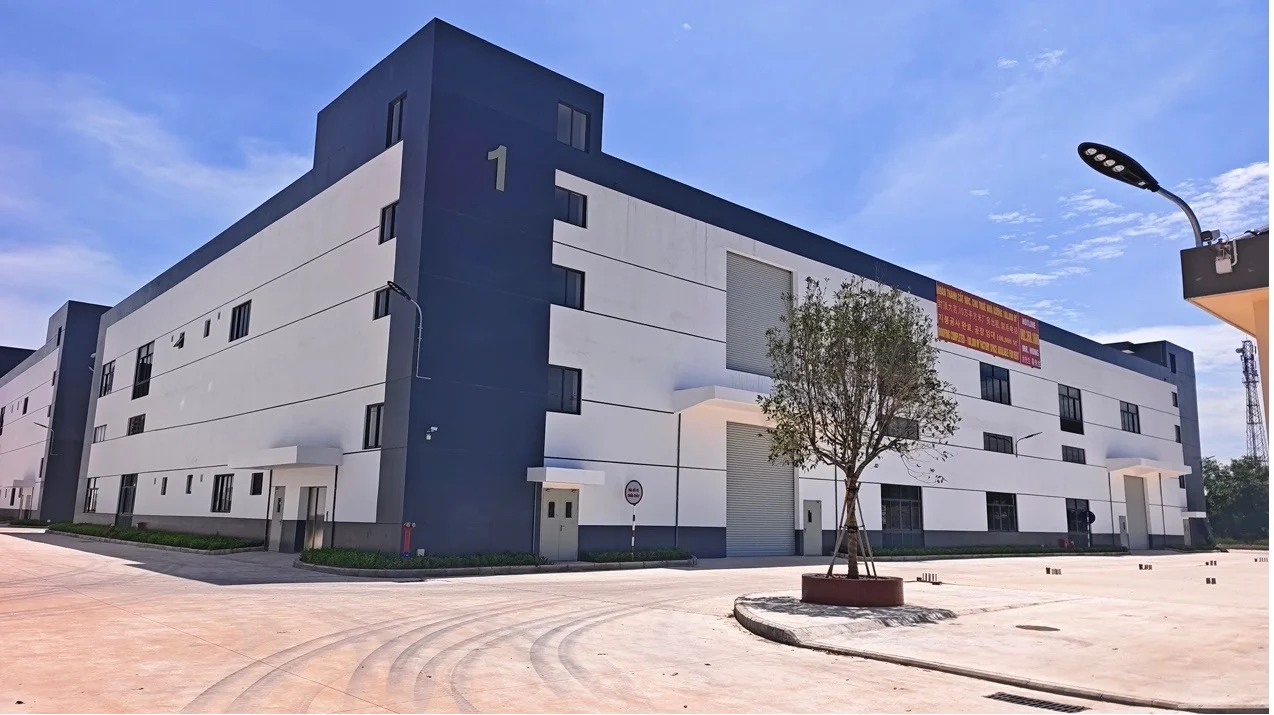
These strengths create an important foundation for many sectors, including tourism and services, to access new technologies more quickly. At the same time, the arrival of AI robot manufacturing facilities may further support the development of Vietnam’s technology, automation, and smart manufacturing ecosystem.
HORECFEX Vietnam And The Future Of Hospitality Automation
HORECFEX Vietnam sees this as a positive signal for the future of the hospitality industry. As robotics and AI are no longer distant concepts, businesses need to actively update their knowledge, connect with solution providers, and prepare for a smarter stage of operations.
At HORECFEX 2026, taking place on 20–21 August 2026 at Ariyana Convention Centre Danang, trends in technology, innovation, and digital transformation in hospitality will continue to take center stage. The event will be a meeting point for hotels, restaurants, F&B businesses, tourism companies, and technology providers to exchange ideas and explore practical solutions for 2027.
Conclusion
The emergence of AI robot manufacturing facilities in Vietnam shows that the future of automation is moving closer than ever. For the hospitality industry, now is the time to observe, experiment, and get ready for transformation.
In an increasingly competitive market, technology will not only serve as a supporting tool. It will become a strategic advantage that helps businesses improve operational efficiency, optimize costs, and create meaningful differences in service experiences.
______o0o______
𝐇𝐨𝐫𝐞𝐜𝐅𝐞𝐱 𝐕𝐢𝐞𝐭𝐧𝐚𝐦 - 𝐋𝐞𝐚𝐝𝐢𝐧𝐠 𝐭𝐡𝐞 𝐟𝐮𝐭𝐮𝐫𝐞 𝐨𝐟 𝐇𝐨𝐬𝐩𝐢𝐭𝐚𝐥𝐢𝐭𝐲
𝐀: 107 Vo Nguyen Giap, Ngu Hanh Son Ward, Danang.
𝐓: (+84) 8212 828 385
𝐄: support@horecfex.com
𝐖: horecfex.com
#Horecfex2026 #Hospitality #HORECFEX #HospitalityIndustry #HospitalityInnovation #VietnamHospitality #TourismTechnology #AriyanaConventionCentre #DanangEvents