



In today’s hospitality industry, sustainability is no longer a decorative message on a hotel website or a small note asking guests to reuse their towels. As travelers become more conscious of environmental impact and businesses face rising operational costs, “green” practices are moving from marketing language to business strategy.
For hotels, resorts, and hospitality operators, going green is no longer only about protecting the environment. It is about building stronger brands, operating more efficiently, meeting guest expectations, and staying competitive in a market that is changing rapidly.
Green Hospitality Is No Longer Just a Trend
In the past, many hotels treated sustainability as part of their public relations activities. Reducing single-use plastic, promoting towel reuse, or using eco-friendly messages helped create a positive brand image.
Today, the meaning of green hospitality has become much broader. It includes energy efficiency, water conservation, waste reduction, responsible sourcing, smart building management, local community engagement, and technology-driven operations.

Modern guests are also paying more attention to how hotels operate behind the scenes. They want to know whether a property uses resources responsibly, supports local suppliers, reduces waste, and provides a stay experience that aligns with their values.
As a result, sustainability is no longer just a “nice-to-have” feature. It is becoming an important factor in how guests choose where to stay, where companies host events, and which brands partners want to work with.
Sustainability Helps Hotels Control Operating Costs
One of the strongest reasons for hotels to invest in green operations is cost efficiency. Hotels consume a significant amount of energy and water every day through air conditioning, lighting, laundry, kitchens, pools, elevators, and guest room facilities.
By applying energy-saving systems, LED lighting, smart sensors, water-efficient equipment, and better waste management processes, hotels can reduce unnecessary consumption and improve long-term financial performance.
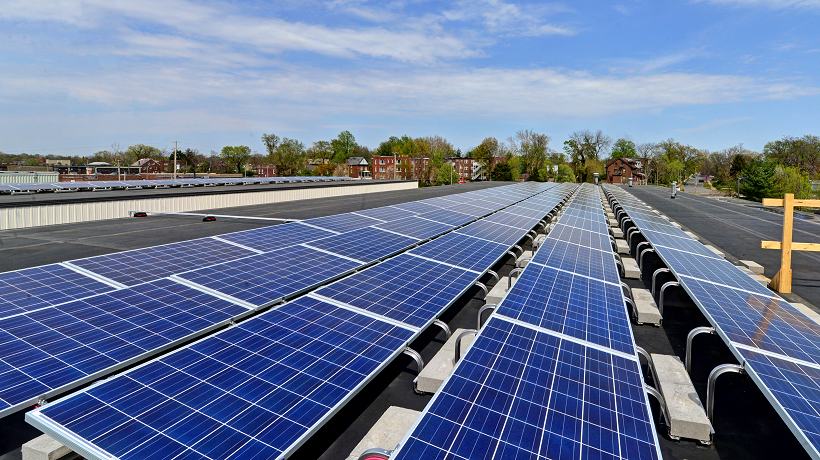
For example, smart energy management systems can help monitor electricity usage across different areas of a hotel. Water-saving solutions can reduce pressure on laundry and housekeeping operations. Better food inventory management can help F&B teams limit waste and control purchasing costs.
These improvements may not always create immediate attention from guests, but they directly support business performance. In this sense, green hospitality is not only an environmental commitment. It is also a practical way to improve operational efficiency.
Technology Is Driving the Future of Green Hotels
Technology plays a central role in helping hotels become greener and smarter. Without data and automation, sustainability can easily remain a general promise rather than a measurable strategy.
Hotel management systems, energy monitoring platforms, smart room controls, AI-powered forecasting tools, and digital guest services can all support more sustainable operations.
For instance, smart room systems can adjust lighting and air conditioning based on occupancy. Digital check-in can reduce paper use and improve service speed. Data analytics can help hotel teams understand consumption patterns and identify areas where resources are being wasted.

In F&B operations, technology can support inventory planning, reduce food waste, and help chefs design menus based on seasonal and locally sourced ingredients. For large hotels, resorts, and convention venues, these tools are especially valuable because even small improvements in efficiency can create meaningful savings at scale.
This is why green hospitality and digital transformation are increasingly connected. A truly sustainable hotel is not only eco-conscious. It is also data-driven, responsive, and operationally intelligent.
Guests Expect More Meaningful Experiences
Going green does not mean reducing comfort. In fact, sustainable hospitality should create a better and more meaningful guest experience.
A hotel can deliver a greener experience through locally inspired menus, refillable amenities, natural design elements, paperless services, responsible wellness programs, and activities that connect guests with the local culture and community.

The key is authenticity. Guests are becoming more aware of superficial sustainability claims. They are more likely to trust hotels that integrate green practices naturally into the guest journey, rather than using sustainability only as a promotional message.
When done well, sustainable hospitality can make a guest feel that their stay has a positive impact. This emotional connection can strengthen brand loyalty and encourage repeat visits.
Green Hotels Are Better Prepared for the Future
The hospitality industry is facing increasing pressure from climate change, resource costs, customer expectations, and corporate sustainability requirements. Hotels that delay green transformation may find it harder to compete in the future.
On the other hand, hotels that invest early in sustainable operations can gain several advantages. They can reduce long-term costs, attract environmentally conscious travelers, improve brand reputation, and become more appealing to corporate clients, international partners, and event organizers.
For the MICE industry, sustainability is also becoming more important. Many companies and organizations now consider environmental responsibility when choosing venues for conferences, exhibitions, meetings, and incentive travel. This creates new opportunities for hotels and venues that can demonstrate clear green practices.
From Green Image to Growth Strategy
The future of hospitality will not be defined only by luxury, location, or service quality. It will also be shaped by how responsibly and intelligently businesses operate.
Green hotels are no longer just properties with eco-friendly messages. They are hotels that understand how to balance guest experience, cost efficiency, technology, environmental responsibility, and long-term growth.
As a Conference and Exhibition for Technology and Innovation in the Hospitality Industry, HorecFex Vietnam aims to connect hotels, F&B businesses, tourism companies, service providers, and technology partners with the latest solutions shaping the future of the industry.
Taking place on August 20–21, 2026, at Ariyana Convention Centre Danang, HorecFex 2026 will continue to highlight innovation, digital transformation, sustainability, and business networking across the hospitality and tourism sectors.
When “green” becomes part of business strategy, it is no longer just a communication trend. It becomes a competitive advantage, helping hotels operate smarter, serve guests better, and grow more sustainably in the years ahead.