


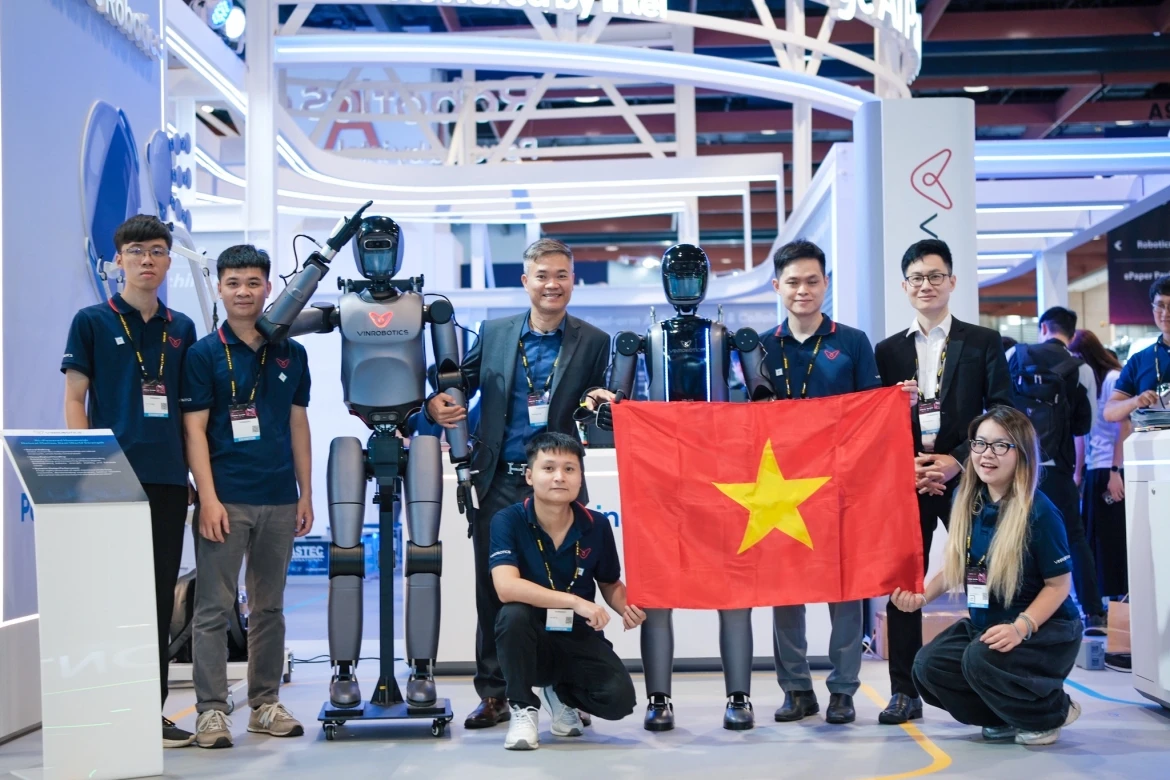
Vietnamese robots step onto the global technology stage
The appearance of Vietnamese humanoid robots at Computex Taipei 2026 has captured attention across the technology community. Among the highlights, VinRobotics introduced its humanoid robot platform, VR-H3, at major international events, including ICRA 2026 in Austria and Computex 2026 in Taiwan.
Although Vietnamese robots still have a long way to go before reaching the level of leading products from the United States, China, Japan, or Europe, this remains an important milestone. In the field of humanoid robotics, progress is not defined only by how perfect a product appears today. It is also defined by whether a country, a company, and a team of engineers are willing to start building the foundation for the future.
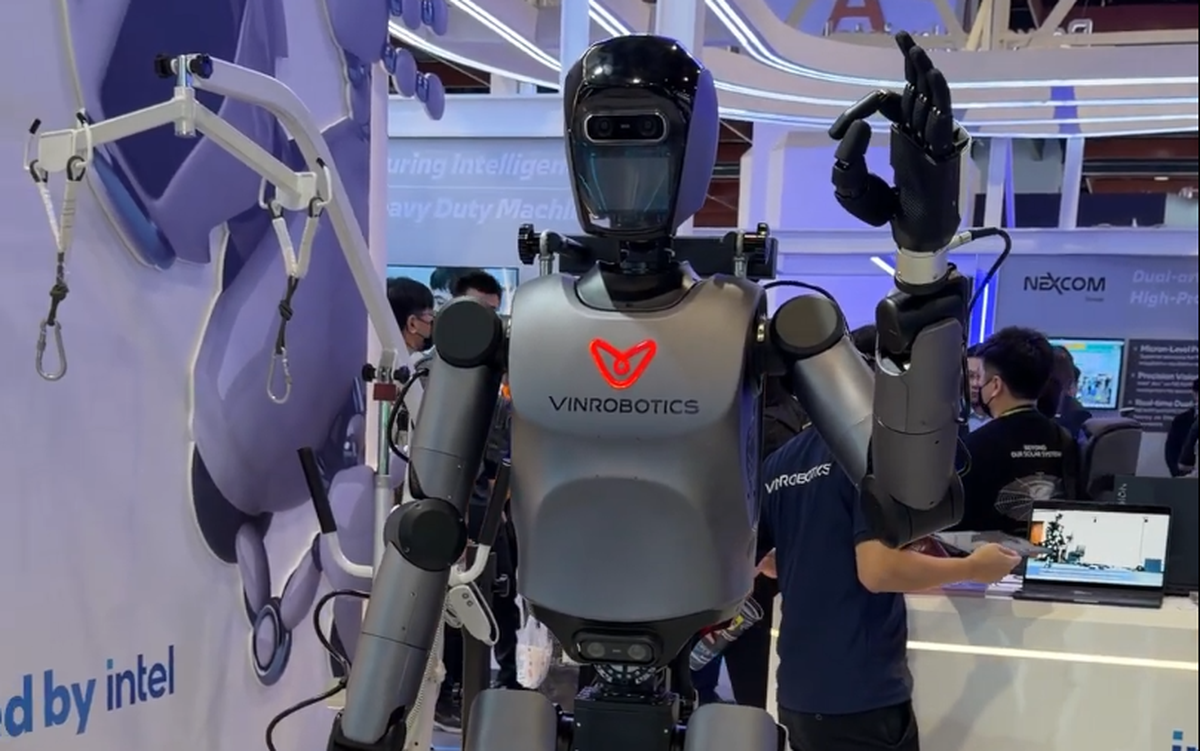
Humanoid robots require the integration of precision engineering, artificial intelligence, sensors, motion control systems, battery technology, training data, and real-world operational testing. Each step forward in this field demands time, investment, expertise, and continuous improvement.
Why should the hospitality industry pay attention to robots and AI?
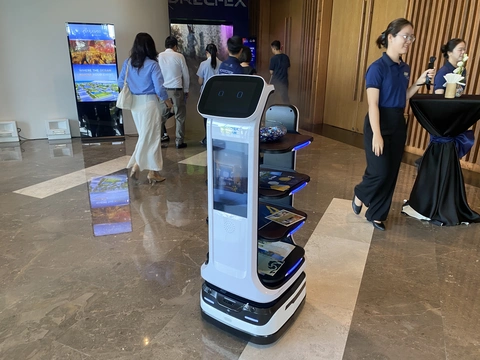
For the hospitality industry, robots are no longer a distant concept from science fiction. Around the world, robots are gradually being introduced in hotels, restaurants, resorts, shopping centers, airports, and tourist destinations.
Robots can support guest greetings, wayfinding, multilingual communication, item delivery, security assistance, simple service tasks, and back-of-house operations. When combined with AI, customer data, and smart management systems, robots can become part of a more efficient and personalized service experience.
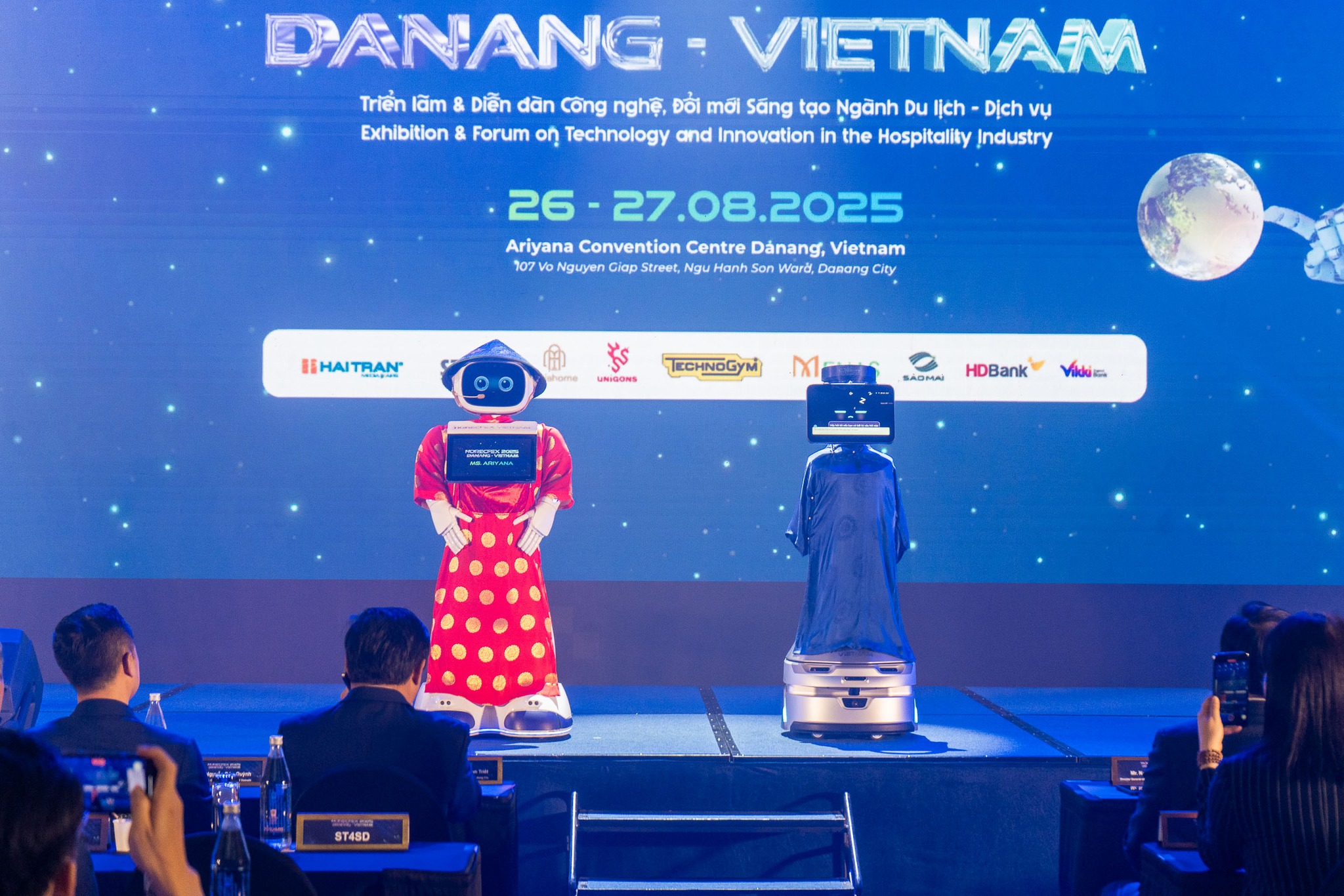
For hotels, restaurants, F&B businesses, and tourism operators in Vietnam, this is a trend worth watching closely. The industry is facing growing pressure from labor challenges, rising operational costs, faster service expectations, and increasingly demanding travelers. Robotics and automation may not replace human hospitality, but they can help people work more efficiently and deliver more consistent service.
From Vietnamese robots to the future of smart hospitality
The presence of Vietnamese robots at Computex 2026 shows that Vietnam is not only a market for technology adoption, but is also gradually participating in the research, development, and application of core technologies. This is an important signal for the hospitality sector, especially as the industry seeks to improve competitiveness in the region.
In the coming years, solutions such as service robots, AI concierge systems, smart hotel management platforms, automated kitchen technologies, F&B operation systems, and customer data analytics will become increasingly relevant. These technologies can help businesses optimize costs, improve operational efficiency, and create faster, more personalized, and more seamless guest experiences.
The future of hospitality will not be shaped by technology alone. It will be shaped by how businesses combine technology with human service, creativity, and emotional connection. Robots can support operations, but the heart of hospitality will remain human.
HORECFEX VIETNAM: Where technology meets hospitality
As a leading exhibition and forum for technology and innovation in the hospitality industry, HORECFEX VIETNAM connects hotels, restaurants, tourism businesses, F&B operators, and technology solution providers.
Stories such as Vietnamese robots appearing at Computex 2026 reflect a larger transformation. Technology is no longer an optional add-on for hospitality businesses. It is becoming an essential part of operational strategy, service quality, competitiveness, and sustainable growth.
At HORECFEX VIETNAM, businesses will have the opportunity to explore emerging trends, meet solution providers, connect with industry experts, and discover technologies that may define the next chapter of Vietnam’s hospitality industry.
Vietnamese robots may still have many challenges ahead. But the most important thing is that the journey has begun. For the hospitality industry, now is the time to prepare for the next wave of technology.
______o0o______
𝐇𝐨𝐫𝐞𝐜𝐅𝐞𝐱 𝐕𝐢𝐞𝐭𝐧𝐚𝐦 - 𝐋𝐞𝐚𝐝𝐢𝐧𝐠 𝐭𝐡𝐞 𝐟𝐮𝐭𝐮𝐫𝐞 𝐨𝐟 𝐇𝐨𝐬𝐩𝐢𝐭𝐚𝐥𝐢𝐭𝐲
𝐀: 107 Vo Nguyen Giap, Ngu Hanh Son Ward, Danang.
𝐓: (+84) 8212 828 385
𝐄: support@horecfex.com
𝐖: horecfex.com
#Horecfex2026 #Hospitality #HORECFEX #HospitalityIndustry #HospitalityInnovation #VietnamHospitality #TourismTechnology #AriyanaConventionCentre #DanangEvents