


Taiwan Expands Its Coconut Import Quota
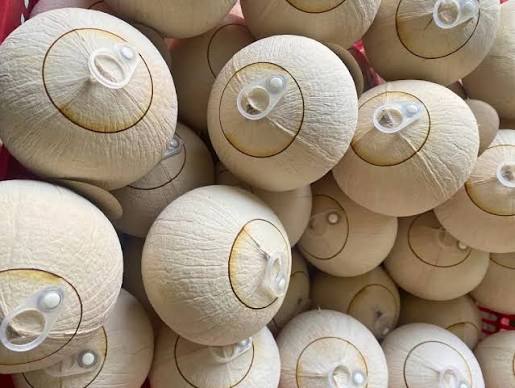
Taiwan is opening up a promising opportunity for Vietnam’s coconut industry as the results of its 2026 coconut import quota bidding have recently been announced. With a total allocated quota of 9,365 tonnes, nearly reaching the annual quota limit of 10,000 tonnes, Taiwan’s coconut import demand continues to show strong growth potential for Vietnamese businesses.
Vietnamese Coconut Maintains Its Leading Market Share
According to data from Taiwan’s International Trade Administration (TITA), Taiwan imported 3,925 tonnes of coconuts in 2025, up 26.8% from the previous year. Of this volume, Vietnam supplied 3,003 tonnes, accounting for 76.5% of the market share by volume and nearly 73% by value.
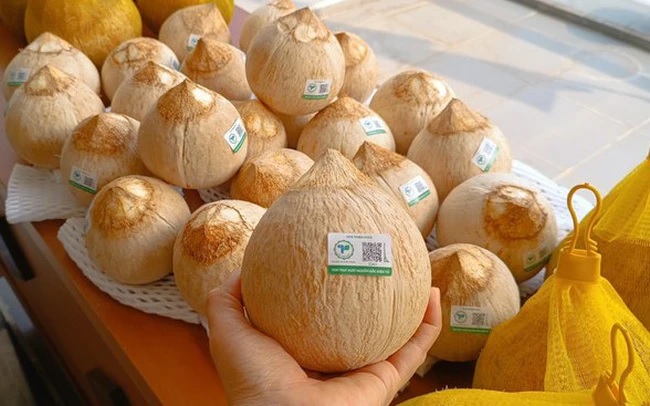
Notably, in the first five months of 2026, the market share of Vietnamese coconut continued to rise to 81.9%, while supply from Thailand showed signs of decline. These figures indicate that Vietnamese coconut is not only the dominant supplier, but also holds a clear competitive advantage in a market with stable consumer demand.
Opportunities from Natural and Healthy Consumption Trends
Beyond fresh whole coconuts, the Taiwan market is showing growing interest in value-added coconut products such as canned coconut water, peeled coconuts, vacuum-packed coconuts, grated coconut meat, dried coconut and coconut oil.
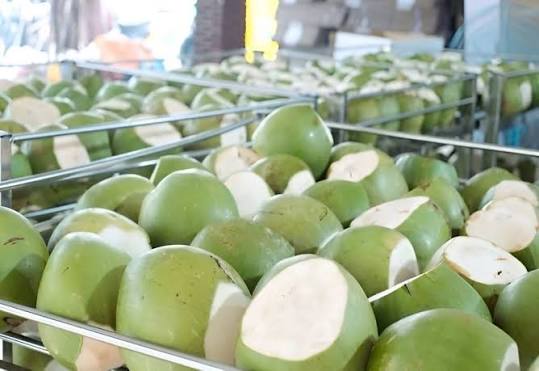
The rising popularity of “eat clean” lifestyles, low-sugar beverages, natural food products and plant-based diets is creating more room for Vietnamese coconut processors to expand their market presence.
A Positive Signal for the F&B and Hospitality Sectors
This trend also sends an important signal to the F&B, retail and food service sectors. Coconut is no longer viewed only as a raw agricultural export, but is becoming a versatile ingredient across various business models, from coffee chains, bubble tea brands and restaurants to hotels, convenience stores and health-focused food brands.
From the perspective of HORECFEX Vietnam, the story of Vietnamese coconut in Taiwan is not only about agricultural export potential. It also reflects a broader opportunity to upgrade the value chain for the hospitality and F&B industries.
Technical Requirements Businesses Should Note
However, opportunities always come with strict requirements. For fresh coconuts, businesses need to comply with regulations on plant quarantine B01, food safety inspection F02, packaging standards, labelling and traceability.
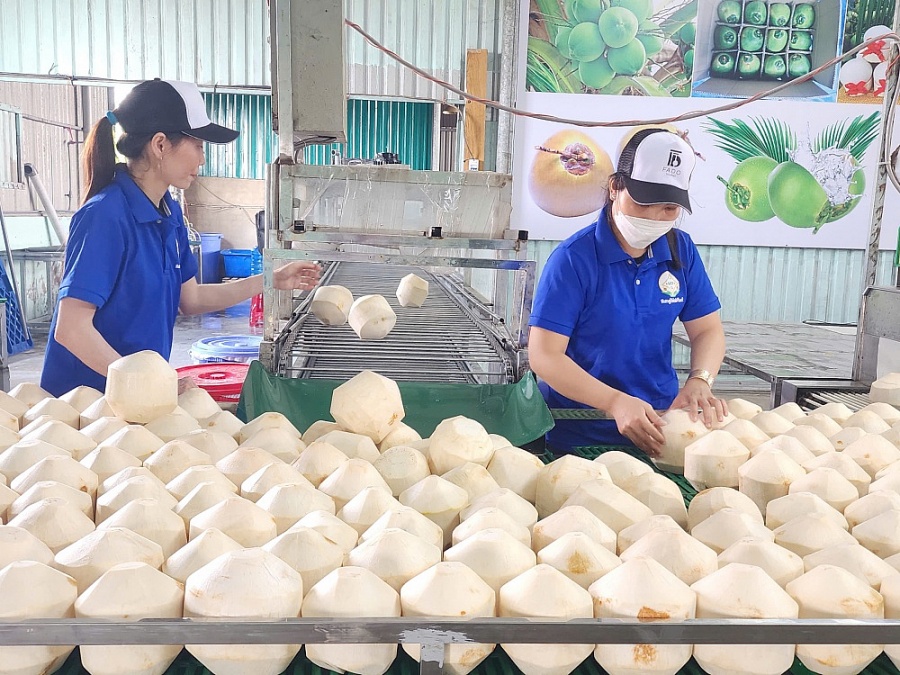
In addition, as fresh coconuts have a limited shelf life, cold-chain logistics, preliminary processing, preservation capacity and seasonal delivery planning will play a decisive role in maintaining competitiveness.
Logistics and Seasonal Planning Are Key
Taiwan’s coconut import demand often rises during January–February and August–December each year. As the 2026 quota has nearly been fully allocated, Vietnamese businesses now have a stronger basis to plan raw material sourcing, procurement, preservation, processing and partnerships with suitable importers.
HORECFEX Vietnam 2026: Connecting the F&B Value Chain
As consumers increasingly prioritise natural, safe and traceable products, Vietnamese businesses need to invest more strongly in processing technology, packaging, cold storage, quality standards and brand building.
HORECFEX Vietnam 2026 will continue to serve as a connection platform for F&B businesses, hotels, restaurants, suppliers, technology providers and partners across the value chain. For high-potential product categories such as coconut, this is the time for Vietnamese enterprises not only to sell products, but also to build long-term competitiveness in international markets.
______o0o______
𝐇𝐨𝐫𝐞𝐜𝐅𝐞𝐱 𝐕𝐢𝐞𝐭𝐧𝐚𝐦 - 𝐋𝐞𝐚𝐝𝐢𝐧𝐠 𝐭𝐡𝐞 𝐟𝐮𝐭𝐮𝐫𝐞 𝐨𝐟 𝐇𝐨𝐬𝐩𝐢𝐭𝐚𝐥𝐢𝐭𝐲
𝐀: 107 Vo Nguyen Giap, Ngu Hanh Son Ward, Danang.
𝐓: (+84) 8212 828 385
𝐄: support@horecfex.com
𝐖: horecfex.com
#Horecfex2026 #Hospitality #HORECFEX #HospitalityIndustry #HospitalityInnovation #VietnamHospitality #TourismTechnology #AriyanaConventionCentre #DanangEvents