



The hospitality industry is entering a new era, where travelers are no longer satisfied with standard services, beautiful rooms, or convenient facilities alone. In 2026, modern travelers expect to be understood, recognized, and supported throughout every stage of their journey.
They want experiences that feel personal, seamless, meaningful, and responsible. For hotels, restaurants, resorts, tourism businesses, and service providers, this shift creates both a challenge and an opportunity: how can the hospitality industry move from simply serving guests to truly understanding them?
Personalization Is Becoming the New Standard
Modern travelers no longer want one-size-fits-all experiences. They expect hotels and service providers to recognize their preferences, needs, and travel purposes before they even arrive.
This can include room preferences, dietary requirements, wellness interests, working habits, entertainment choices, family needs, or local experience recommendations. Every touchpoint, from booking confirmation and pre-arrival communication to check-in, dining, and post-stay follow-up, can become an opportunity to create a more personalized journey.

For hotels, personalization is no longer just a premium service. It is becoming a key factor in customer satisfaction and brand loyalty. Businesses that use guest data wisely can create a stronger sense of care, making travelers feel that they are not just being served, but truly being understood.
Technology Should Make Travel Easier, Not Colder
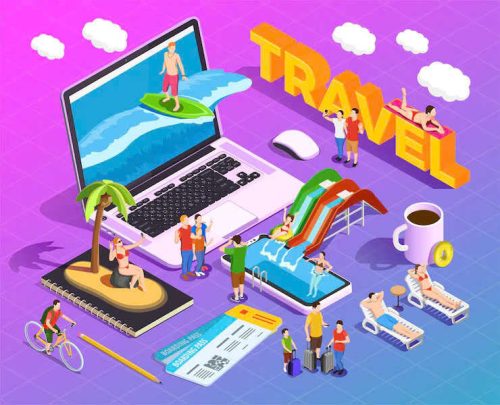
In 2026, travelers expect technology to make their journey faster, smoother, and more convenient. Online check-in, contactless payment, digital room keys, service booking through mobile apps, 24/7 chatbot support, and AI-powered recommendations are becoming increasingly familiar in hospitality.
However, technology should not remove the human touch. In an industry built on emotion, care, and connection, people remain the heart of the guest experience.
The real value of technology lies in helping staff serve better. A smart system can reduce waiting time, simplify requests, and support faster responses, but the warmth of a smile, a thoughtful gesture, or a well-timed recommendation is what makes guests remember a brand.
The future of hospitality is not about replacing people with technology. It is about using technology to give people more time to deliver meaningful service.
Travelers Are Looking for More Meaningful Experiences
Travel is no longer only about accommodation, transportation, or sightseeing. Modern travelers are seeking experiences that help them connect with local culture, cuisine, nature, wellness, and personal growth.
This creates new opportunities for hotels and hospitality businesses. Instead of selling only rooms or services, businesses can design complete experiences: a locally inspired dinner, a wellness morning session, a cultural discovery tour, a sustainable travel package, or a work-and-leisure stay designed for modern lifestyles.
For many travelers, the most memorable part of a trip is not always the most luxurious feature. It may be a story, a connection, a sense of place, or a moment that feels authentic.
In a highly competitive market, meaningful experiences can become a powerful way for hospitality brands to stand out.
Sustainability Is Influencing Travel Choices
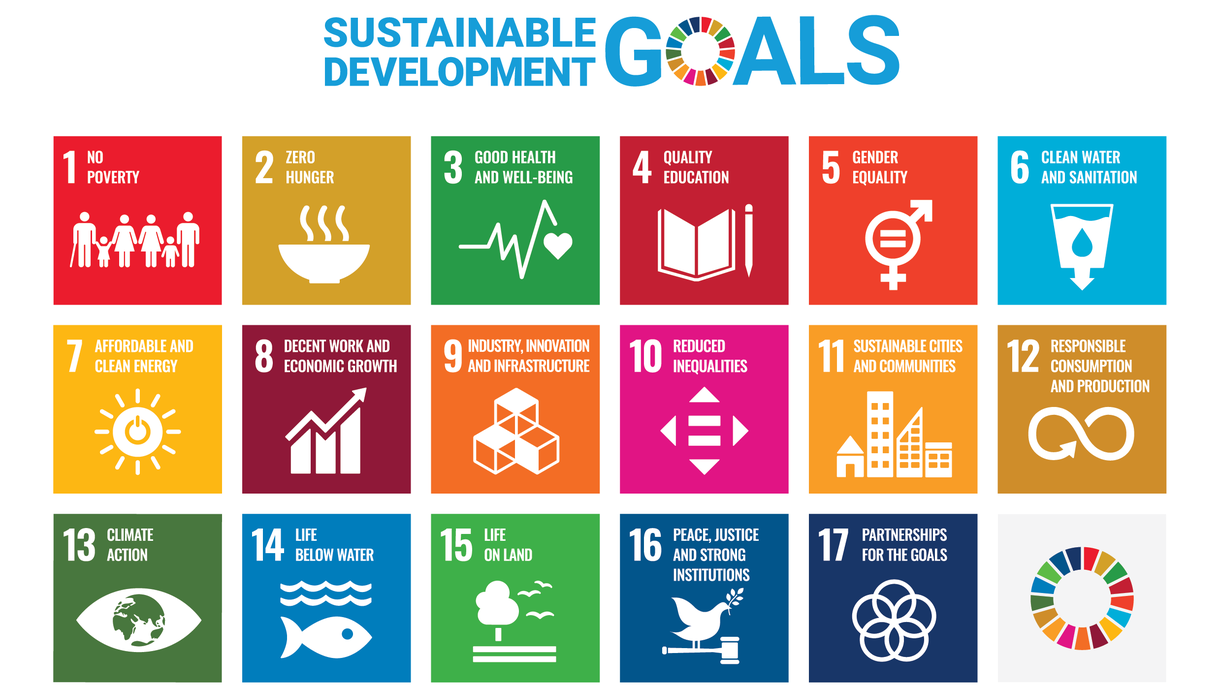
Today’s travelers are paying more attention to how businesses operate. They care about whether a hotel reduces single-use plastic, saves energy, supports local suppliers, manages food waste, and contributes positively to the community.
For the hospitality industry, sustainability is no longer just a communication message. It is becoming part of long-term business strategy.
A sustainable hotel or service business does not need to reduce comfort. Instead, it should create a smarter and more responsible experience. Refillable amenities, paperless check-in, local ingredients, energy-efficient systems, and eco-conscious operations can all become part of a high-quality guest journey.
When sustainability is integrated naturally into the experience, guests are more likely to trust the brand and feel that their stay has a positive impact.
Speed and Flexibility Matter More Than Ever
Modern travelers expect fast responses, flexible options, and simple processes. They want to book easily, adjust plans conveniently, receive timely support, and complete payments without unnecessary steps.
This means hospitality businesses need to optimize their operations across the entire customer journey. Reservation systems, guest communication, staff coordination, service delivery, online reviews, and post-stay engagement all need to be connected and responsive.
A delayed reply, a complicated check-in process, or a lack of flexibility can quickly affect the guest experience. On the other hand, a smooth and responsive service can turn an ordinary stay into a memorable one.
The Future Belongs to Businesses That Listen Better
The expectations of modern travelers show that hospitality can no longer depend only on location, facilities, or traditional service standards. The future of the industry will be shaped by businesses that understand customers better, use technology more intelligently, and design experiences with greater care.
For hotels, restaurants, tourism companies, and service providers, the key question is no longer “How can we serve more guests?” but “How can we understand each guest better?”
As a Conference and Exhibition for Technology and Innovation in the Hospitality Industry, HorecFex Vietnam aims to connect hotels, F&B businesses, tourism companies, service providers, and technology partners with the latest solutions shaping the future of the industry.
Taking place on August 20–21, 2026, at Ariyana Convention Centre Danang, HorecFex 2026 will continue to highlight innovation, digital transformation, sustainability, and business networking across the hospitality and tourism sectors.
Modern travelers do not only want convenience. They want to feel seen, valued, and understood. Businesses that can meet this expectation will be better positioned to build loyalty, strengthen their brand, and create long-term competitive advantage in the evolving hospitality market.