


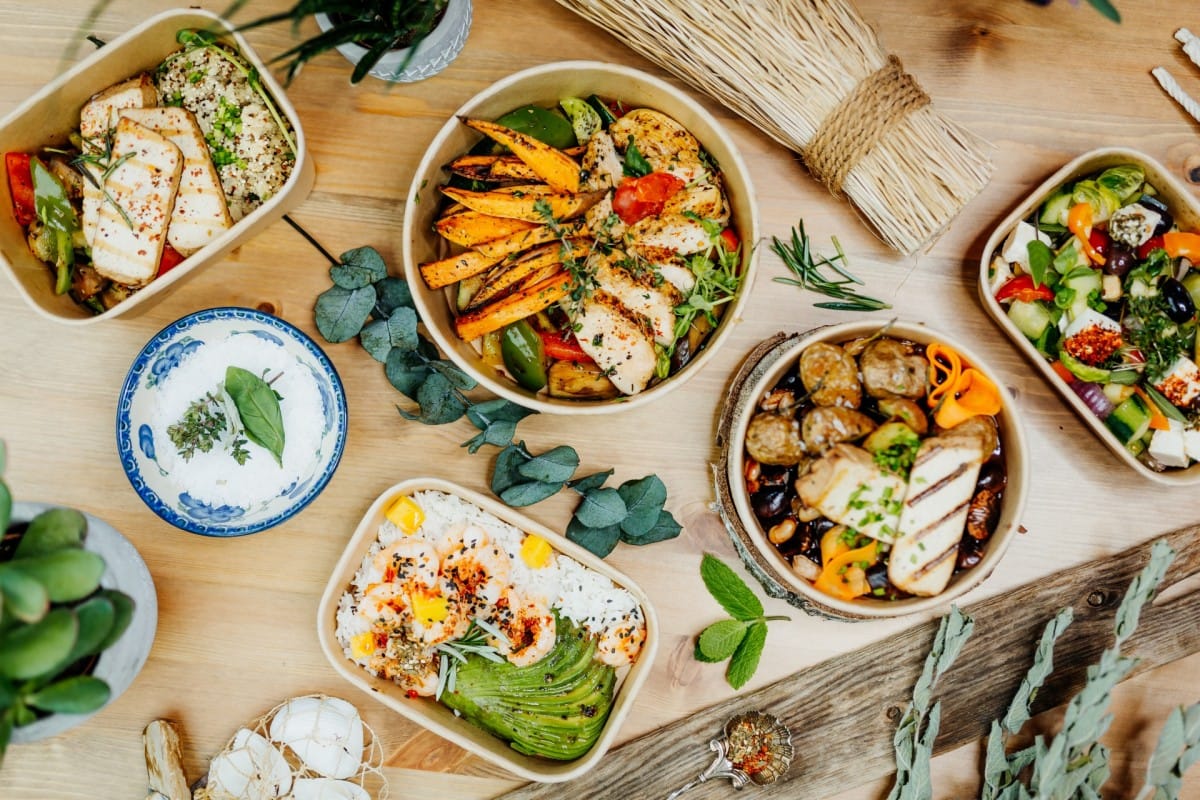
As extreme heat becomes more frequent and intense, F&B businesses are facing more than just a seasonal sales opportunity. Rising temperatures are changing how customers dine, how restaurants operate, and how brands plan for long-term growth.
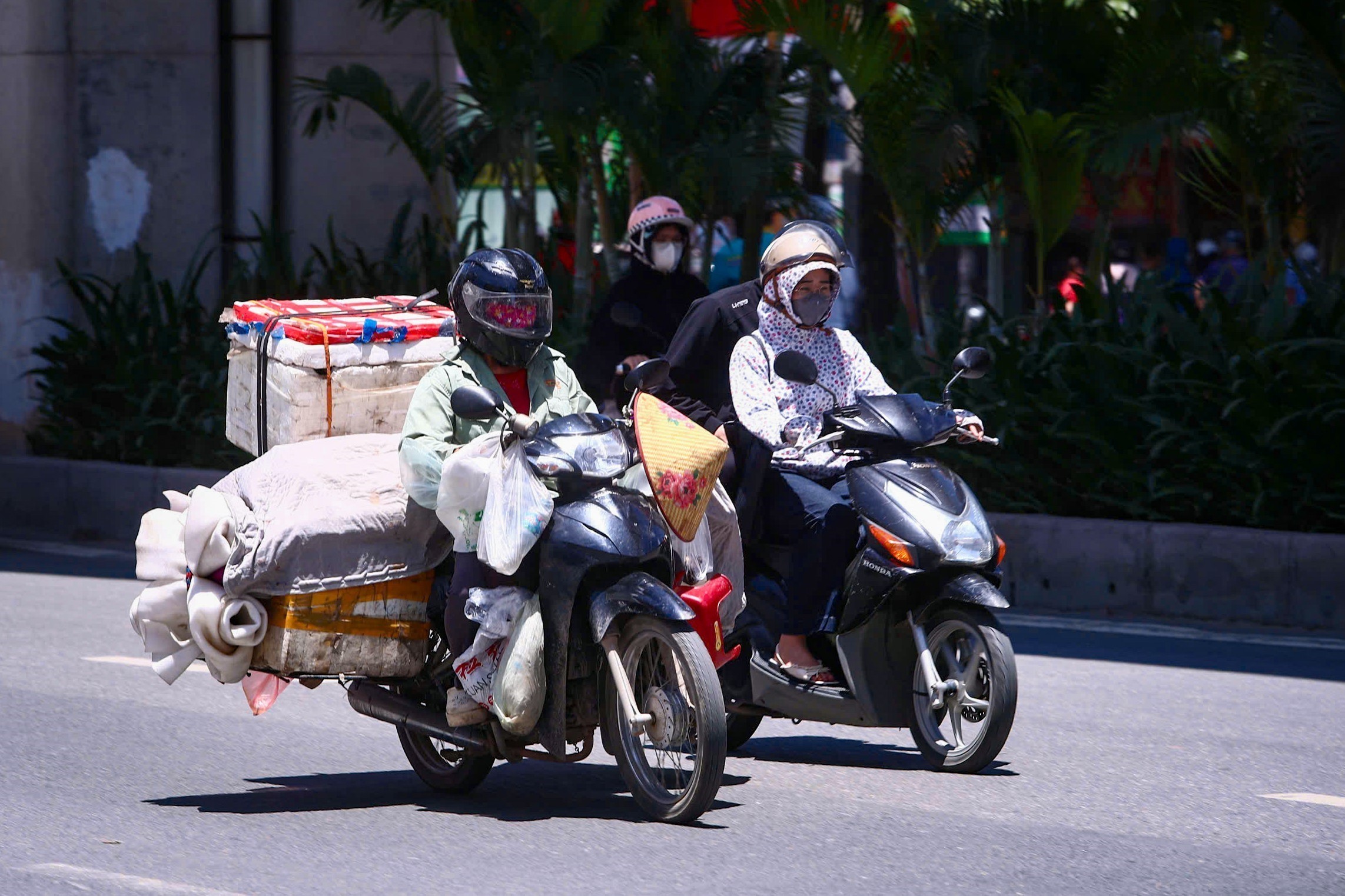
In Vietnam, hotter weather patterns have become an increasingly important factor for businesses in food, beverage, hospitality, and tourism. For restaurants, cafés, hotels, resorts, and catering services, heatwaves are no longer short-term weather disruptions. They are becoming a serious operational challenge that requires smarter planning, better technology, and more flexible business strategies.
Customer Behavior Is Changing with the Weather
When temperatures rise, customers tend to change when, where, and how they consume F&B products. Many people avoid going out during peak heat hours, choosing instead to dine in the evening, visit air-conditioned venues, or order food and drinks online.
This shift creates new opportunities for businesses that know how to read customer data and respond quickly. Cafés, restaurants, and beverage brands can adjust promotions, staffing, and menu offerings based on peak demand periods.
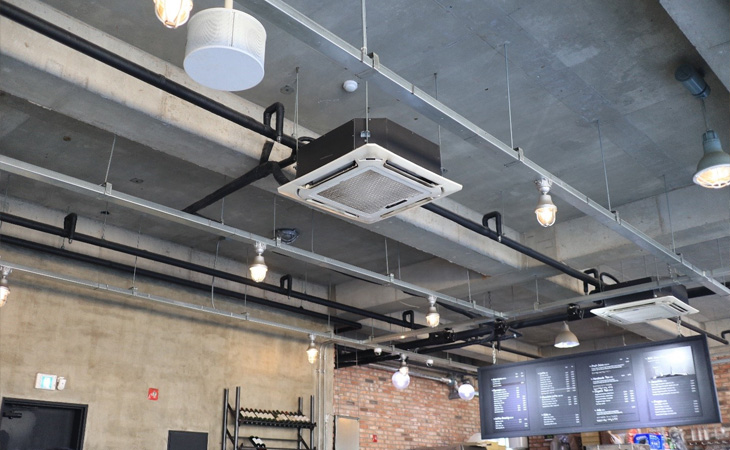
Refreshing products such as fruit teas, cold beverages, juices, light meals, seasonal desserts, and healthier drinks may become key revenue drivers during hot weather. However, long-term success does not come from simply adding more cold drinks to the menu. Businesses need a flexible menu strategy that can adapt to weather conditions, ingredient availability, customer preferences, and operational capacity.
Rising Heat Means Rising Operating Costs
Extreme heat also increases pressure behind the scenes. Electricity costs can rise due to heavier use of air conditioning, refrigeration systems, cold storage, and kitchen equipment. At the same time, fresh ingredients, dairy products, fruits, frozen items, and ready-to-serve products require stricter temperature control to maintain quality and food safety.
For hotels, restaurants, and catering businesses, this challenge becomes even more complex. Food transportation, event catering, and large-scale F&B operations depend heavily on stable cold chain management. Without proper control, businesses may face higher food waste, lower product quality, and potential food safety risks.
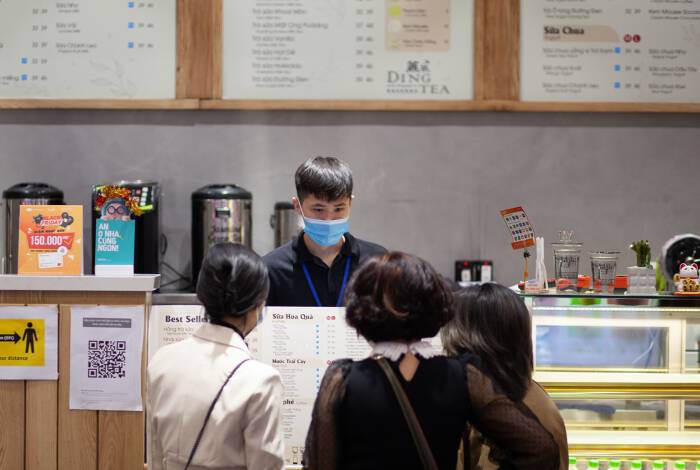
Therefore, doing business during extreme heat is not only about selling more summer drinks. It is about managing costs, protecting product quality, and maintaining a consistent customer experience under more demanding conditions.
F&B Technology Becomes a Tool for Adaptation
In this new business environment, technology plays a crucial role in helping F&B businesses make faster and smarter decisions. POS systems, inventory management platforms, online reservation tools, demand forecasting software, and data analytics can help restaurants identify seasonal bestsellers, peak hours, and changing customer preferences.
AI and operational data can also support ingredient forecasting, staff scheduling, waste reduction, and personalized marketing campaigns. Instead of reacting passively to weather changes, businesses can prepare their inventory, team, and communication strategy in advance.
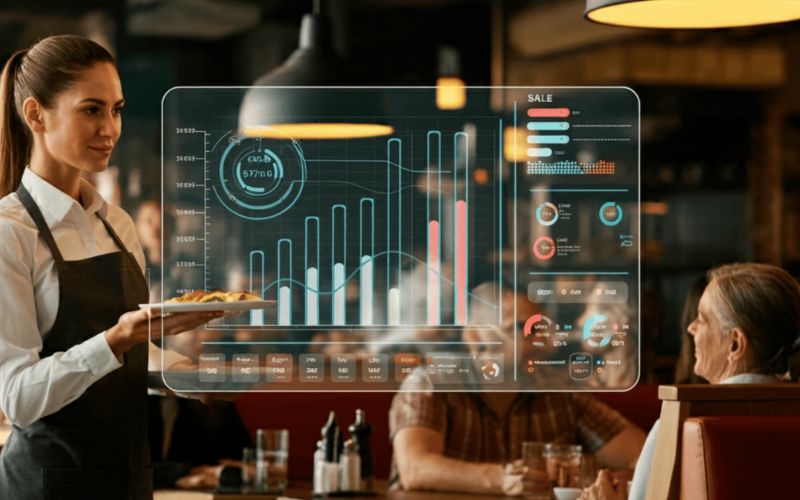
For the hospitality industry, this also opens up opportunities to connect F&B services with the overall guest experience. Hotels, resorts, and convention venues can design seasonal menus, improve indoor comfort, introduce faster check-in and payment processes, and create personalized dining experiences that meet the expectations of modern customers.
Sustainability Is Becoming a Competitive Advantage
As energy costs and environmental pressure increase, sustainability is no longer just a branding message. For F&B businesses, energy-efficient equipment, smart cooling systems, eco-friendly packaging, food waste reduction, and optimized supply chains can bring practical business benefits.
Companies that invest early in green transformation may gain advantages in cost control, brand reputation, and customer loyalty. This is especially important as international travelers, younger consumers, and corporate clients increasingly value brands that show environmental responsibility.
In the long run, sustainable F&B operations can help businesses stay competitive while reducing waste, improving efficiency, and responding better to climate-related challenges.
From Weather Challenges to Business Innovation
Extreme heat is creating new pressure for the F&B industry, but it is also encouraging businesses to rethink the way they operate. From menu development and staffing to technology, equipment, supply chains, and customer experience, every part of the business can be improved through smarter and more adaptive strategies.
As a Conference and Exhibition for Technology and Innovation in the Hospitality Industry, HorecFex Vietnam aims to connect F&B businesses, hotels, tourism companies, service providers, and solution partners with the latest trends shaping the future of the industry.
Taking place on August 20–21, 2026, at Ariyana Convention Centre Danang, HorecFex 2026 will continue to highlight technology, innovation, business networking, and sustainable solutions for the hospitality and F&B sectors.
In a market increasingly affected by extreme weather, F&B businesses need more than seasonal promotions. They need smart operations, technology-driven decision-making, and long-term adaptation strategies. This is the foundation for a more resilient, efficient, and sustainable F&B industry in Vietnam.