


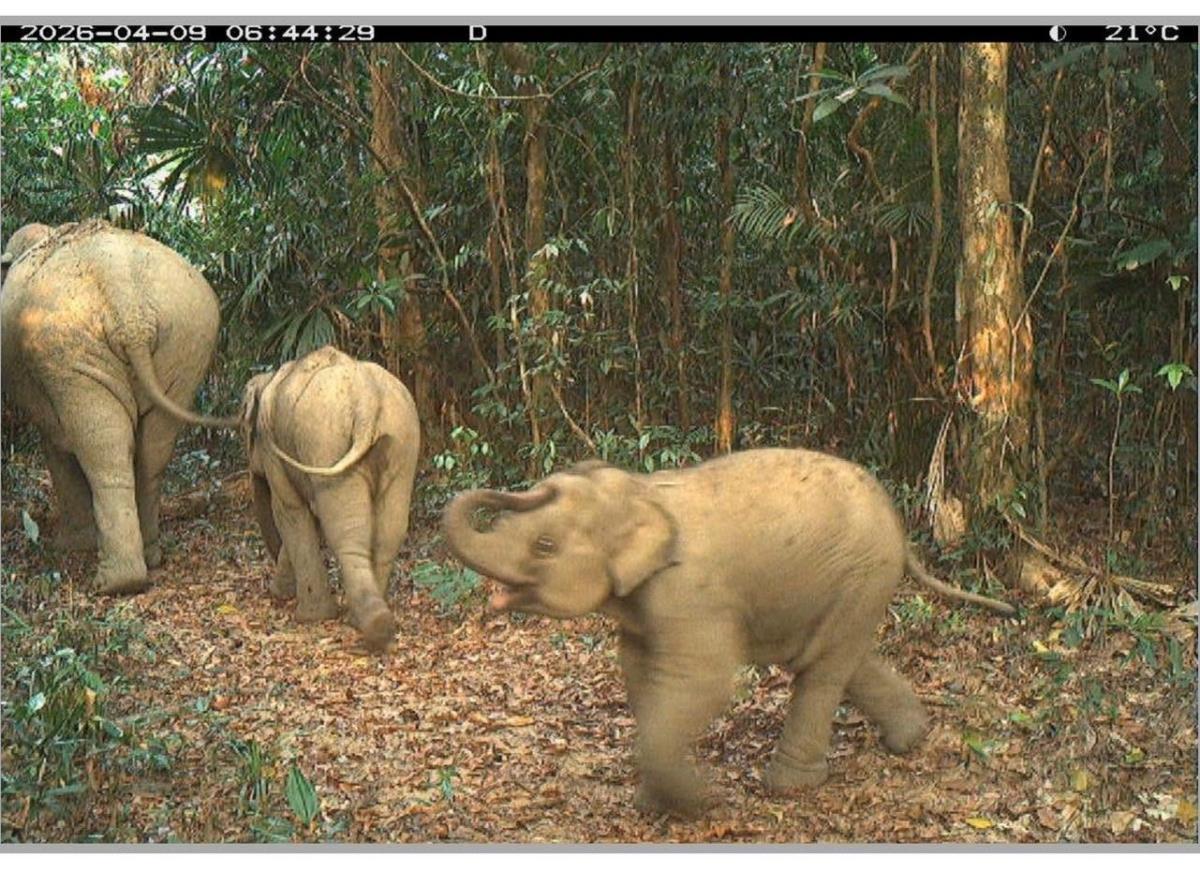
From the UNESCO World Heritage Site of My Son to pristine forests where wild elephants are being protected, a new green tourism journey is gradually taking shape in Da Nang.
On July 30, 2026, the Da Nang Department of Culture, Sports and Tourism coordinated with the People’s Committee of Que Phuoc Commune to organize the seminar titled “Orientation for Tourism Development in Que Phuoc Commune for the 2026-2031 Period.”
The event marked an important step in unlocking the tourism potential of western Da Nang through a responsible, nature-based approach that places local communities at the heart of development.
Unlocking Que Phuoc’s Tourism Potential
Que Phuoc is home to rivers, natural forests, agricultural landscapes and a wide range of cultural and historical values. Its notable attractions include Hon Kem - Da Dung, the Thu Bon River, the Elephant Species and Habitat Conservation Area and the peaceful lifestyle of local communities.
Under the proposed development plan, Que Phuoc will focus on three key destinations: Hon Kem - Da Dung, the Elephant Species and Habitat Conservation Area and Binh Yen Village.
These destinations will gradually be connected to create a diverse tourism chain featuring ecotourism, river-based experiences, community tourism and local cultural discovery.
The seminar also discussed tourism spatial planning, infrastructure investment, workforce development, destination promotion and closer cooperation between local authorities, businesses and residents.
What Destinations Are Included in the “Heritage Journey”?
A key highlight of the event was the signing ceremony for the tourism route:
My Son - Nong Son - Que Phuoc - Elephant Species and Habitat Conservation Area.
The memorandum of understanding involved the My Son World Cultural Heritage Management Board, the Nong Son Elephant Species and Habitat Conservation Area, the People’s Committee of Nong Son Commune and the People’s Committee of Que Phuoc Commune.
The route is expected to offer a diverse journey connecting cultural heritage, mountainous landscapes, river scenery, primary forests and community life. It also provides a foundation for local authorities and travel businesses to research, promote and gradually develop new experiential tours.
What Experiences Could Visitors Enjoy?
Tourism products at the Elephant Species and Habitat Conservation Area are being developed under the principle of avoiding any disturbance to the natural behavior of wild animals.
Visitors may participate in environmental education programs, learn about local ecosystems and the natural habitat of wild elephants, explore primary forest trails and discover stories about biodiversity and conservation work.
Other potential activities include trekking, nature observation, photography and controlled scientific research. The journey may also incorporate traditional cuisine, handicrafts, OCOP products and authentic experiences of everyday life in Que Phuoc.
Placing Local Communities at the Center of Tourism
The proposed model encourages local residents to directly provide accommodation, guiding, dining and locally distinctive products.
When communities receive sustainable economic benefits from tourism, forests and natural resources become valuable assets that need long-term protection. Conservation therefore becomes more than the responsibility of forest management authorities. It becomes closely connected to local livelihoods and the future of the community.
For the HORECA industry, the new tourism route presents opportunities to develop appropriate accommodation models, indigenous cuisine, experiential tours and responsible tourism products. Businesses may also create services with a distinctive local identity to meet the growing demand for green tourism and cultural discovery.
The “Heritage Journey” is currently at the cooperation, research and product development stage. Detailed itineraries, prices and an official launch date have not yet been announced.
From Que Phuoc, a new tourism model is gradually being shaped—one that uses nature conservation as its foundation, places communities at its center and celebrates local culture as its identity. This direction also reflects the sustainable tourism trends increasingly embraced by Vietnam’s hospitality, restaurant and tourism industries.
(Source: Bao Cong An Danang)